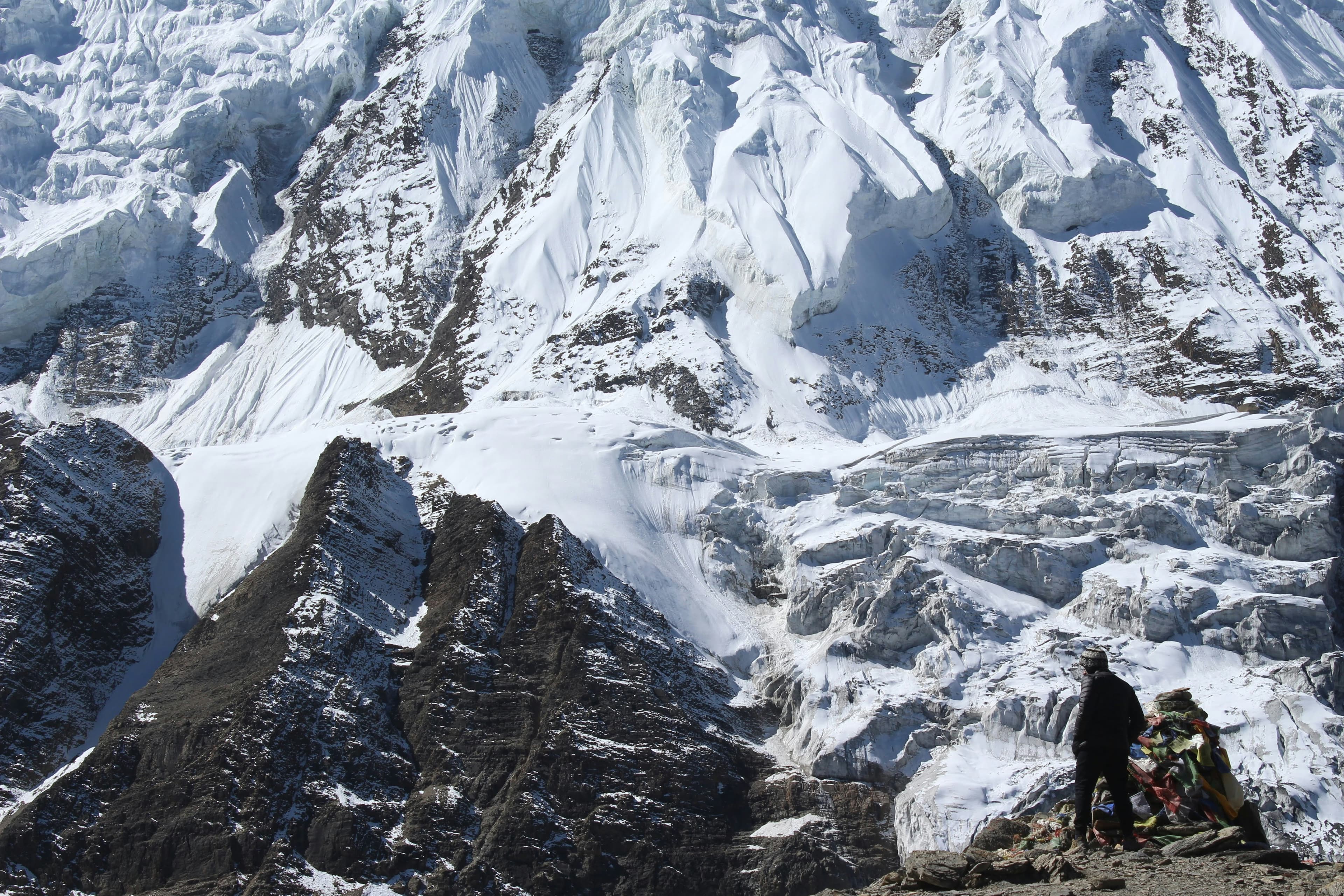
An exhilarating odyssey through diverse landscapes to the awe-inspiring Annapurna giants, a Himalayan journey of a lifetime. The Annapurna Circuit Trek is a legendary journey through the diverse terrain of the Nepalese Himalayas, physically circumnavigating the colossal Annapurna Mountain range.
Hot Springs at Tatopani - Relax and rejuvenate your muscles in natural thermal springs
Thorong La Pass (5,416m) - Cross one of the world's highest trekking passes
Panoramic Himalayan Views - Experience breathtaking 360-degree mountain vistas
Manang Valley - Explore the stunning high-altitude valley with Tibetan Buddhist culture
The pilgrimage town of Muktinath - Visit this sacred site for both Hindus and Buddhists
Charming Villages & Local Culture - Immerse yourself in traditional mountain communities
Apple Orchards of Marpha - Walk through picturesque orchards and taste local apple products
Marsyangdi River Valley - Trek alongside one of Nepal's most dramatic river gorges
The Annapurna Circuit Trek is a legendary journey through the diverse terrain of the Nepalese Himalayas. It's a long-distance route that physically circumnavigates the colossal Annapurna Mountain range, offering trekkers an experience that changes dramatically day by day.
The expedition typically begins in the lower, warmer regions, where the landscape is characterized by lush, terraced hillsides, vibrant green rice paddies, and the constant flow of rivers carving their way through deep gorges. As you steadily gain elevation, the environment gradually shifts. You transition from dense, sub-tropical forests to cooler, temperate zones dominated by pine and eventually rhododendron trees.
Continuing upward, the air thins, and the scenery transforms into an arid, almost desert-like plateau. Here, the influence of Tibetan Buddhism becomes more pronounced, with traditional stone villages, ancient monasteries, chortens, and prayer flags adorning the trails. The path often follows river valleys, sometimes crossing dramatic suspension bridges high above glacial meltwaters.
The trek involves a steady, progressive ascent to high altitudes, which demands good physical fitness and a disciplined approach to acclimatization. The route is dotted with "teahouses" – local lodges that provide basic but comfortable accommodation and meals, allowing trekkers to carry lighter packs without the need for camping gear.
The overall experience is one of continuous change – not just in scenery, but in climate, vegetation, and local culture. The trail itself varies from well-worn paths to rocky, uneven terrain, with sustained uphill climbs and equally challenging descents. It's a journey that connects you with the raw power of the mountains and the enduring spirit of the people who call this magnificent region home.
Trekking with Nepal Himal Adventures places you in the care and safety of expert, experienced Trekking Professionals for the ultimate trekking experience, one to be remembered for a lifetime. Our professional guides have intimate knowledge of the Annapurna Circuit and can navigate all conditions safely.
We provide comprehensive support including all essential permits, airport transfers, quality accommodation in Kathmandu and Pokhara, experienced guides and porters, health and safety equipment (oxygen cans, medical kit, satellite phone), and traditional welcome dinners.
Experience authentic local culture as you trek through diverse communities from Hindu lowlands to Tibetan Buddhist highlands. Stay in family-run teahouses, taste regional cuisine, and witness the daily life of mountain communities. Our guides share stories and insights about local customs and traditions.
Our packages include all essential permits, twin-bed accommodation, teahouse lodging during the trek, all meals during trekking (breakfast, lunch, dinner), ground transportation, flight from Pokhara to Kathmandu, and Nepal Himal Adventures souvenirs (duffel bag, T-shirt, sun hat, trekking map, buff, sleeping bag).
Arrive at Tribhuwan International Airport in Kathmandu. Transfer to your hotel. Briefing about the trek and necessary preparations. Explore Thamel, the tourist hub of Kathmandu, in the evening.
Full day of sightseeing in Kathmandu, visiting UNESCO World Heritage Sites like Swayambhunath (Monkey Temple), Boudhanath Stupa, Pashupatinath Temple, and Kathmandu Durbar Square. Final preparations for the trek, including gear checks and any last-minute shopping.
Start your journey with a scenic drive from Kathmandu. The drive will take you through diverse landscapes, following the Trishuli and Marsyangdi Rivers. You'll likely take a jeep from Besisahar to Chamje. Overnight at a teahouse in Chamje.
Begin your trek alongside the Marsyangdi River. The trail passes through traditional villages, terraced fields, and waterfalls. You'll enter the Manang district at Tal Besi. Overnight in Dharapani.
Continue trekking through dense forests of pine and fir. Enjoy views of Manaslu and Annapurna II. Chame is the district headquarters of Manang, offering some modern amenities. Overnight in Chame.
The trail becomes steeper and the scenery more dramatic. Pass through a narrow valley with towering cliffs, including the massive Paungda Danda rock face. Reach Upper Pisang, offering stunning views of Annapurna II and Pisang Peak. Overnight in Upper Pisang.
Choose between the upper or lower trail from Pisang. The upper trail offers more spectacular views and passes through traditional villages like Ghyaru and Ngawal. Experience the shift to a more arid, high-altitude landscape. Arrive in Manang, a large and important village in the region.
Crucial acclimatization day. Explore Manang village, visit the Barge Monastery (the largest in the Manang district), or hike to Gangapurna Lake. Consider a short hike to a higher viewpoint then descend back to Manang for the night. Attend a high-altitude sickness lecture at the HRA clinic.
Continue ascending gradually, leaving the main Marsyangdi Valley. The landscape becomes more alpine, with fewer trees. Keep an eye out for yaks and Himalayan thar. Overnight in Yak Kharka.
A shorter but challenging day as you gain more altitude. Thorong Phedi (literally 'foot of the hill') is the base for crossing the Thorong La Pass. Some trekkers opt to continue to High Camp for a shorter day on the pass crossing.
This is the most challenging and rewarding day of the trek. Start very early in the morning to avoid strong winds. The ascent to the pass is gradual but demanding. Enjoy panoramic views of the Annapurna, Dhaulagiri, and other peaks from the top. Begin a long and steep descent to Muktinath.
Today is a much easier descent through the arid Kali Gandaki Valley. Option to trek to Jomsom, a larger town with an airport, or the charming medieval village of Kagbeni. Experience the strong winds typical of the Mustang region in the afternoon.
Take a local jeep or bus from Jomsom down the Kali Gandaki Gorge. The drive takes you through the world's deepest gorge, offering dramatic scenery. Reach Tatopani, known for its natural hot springs. Relax and soothe your muscles in the hot springs.
A significant ascent today through lush rhododendron forests and traditional villages. Ghorepani is a popular village renowned for its proximity to Poon Hill. Overnight in Ghorepani.
Wake up early for a pre-dawn hike to Poon Hill. Witness a spectacular sunrise over the Annapurna and Dhaulagiri mountain ranges, offering panoramic views. Return to Ghorepani for breakfast. Begin your final descent through rhododendron and oak forests to Nayapul. From Nayapul, take a private vehicle or bus to Pokhara.
Enjoy a leisurely morning in Pokhara. Take a tourist bus or arrange a flight back to Kathmandu. Depending on your flight schedule, you might have time for some last-minute souvenir shopping or a final meal in Kathmandu. Transfer to Tribhuwan International Airport for your international departure.
Activity Level: Strenuous / Challenging – Suitable for experienced trekkers with good fitness levels
Maximum Elevation: 5,416 m / 17,769 ft at Thorong La Pass
Best Season: February, May-September, December for stable weather and clear views
Accommodation: Tea House & Hotel throughout the trek with comfortable twin-bed rooms
We strive to stick to our planned itinerary, but sometimes things happen that are beyond our control. This could include flight issues, bad weather, natural disasters, new government rules, political unrest, or even a trekker's health. When these situations arise, we'll do our best to find the best possible solutions to keep your trek going.