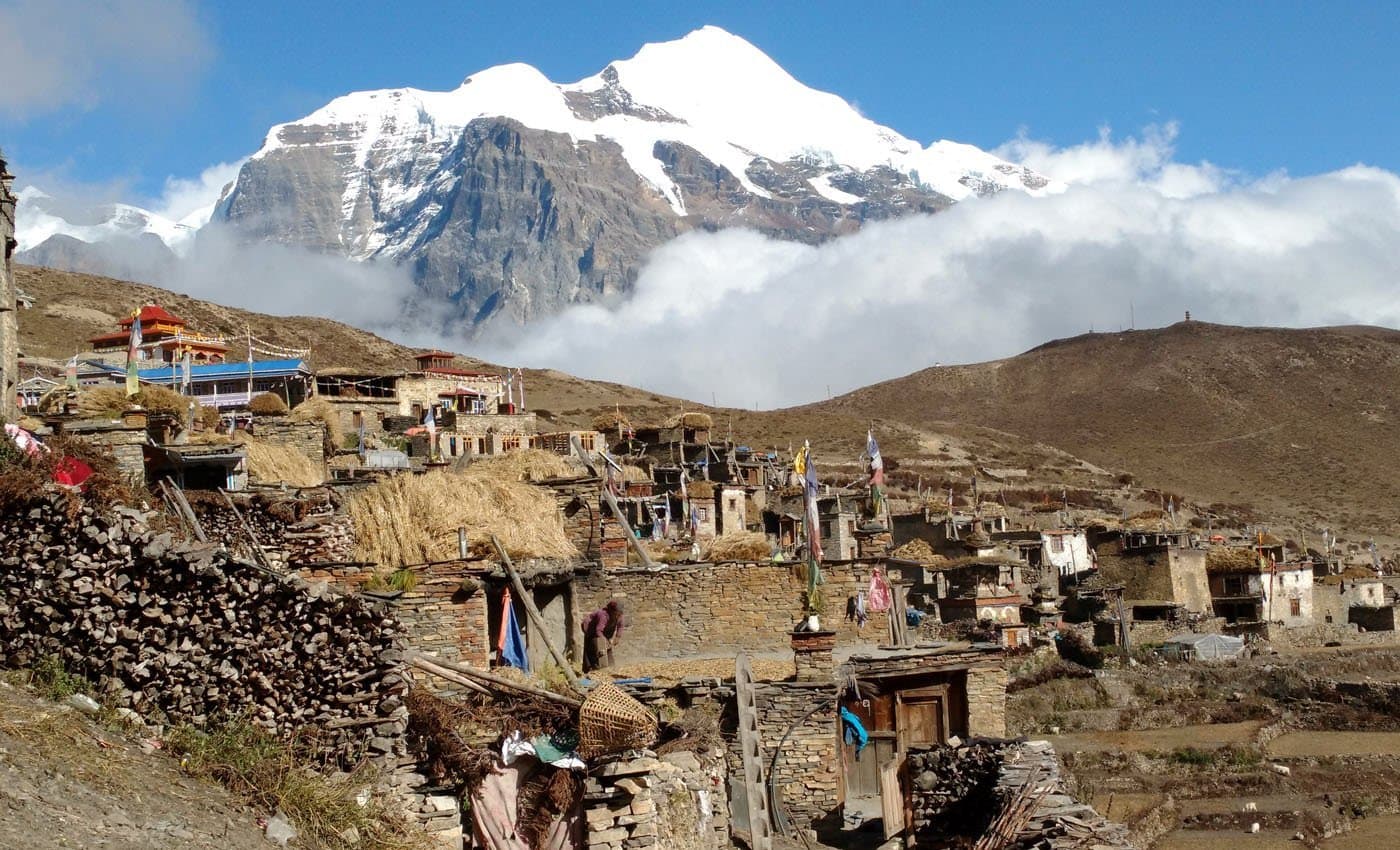
The Nar Phu Valley Trek ventures into one of Nepal's most remote and restricted regions, opened to trekkers only in 2002. This challenging adventure combines pristine Tibetan Buddhist culture, ancient villages frozen in time, dramatic landscapes, and the crossing of two high passes above 5,000m, offering an authentic Himalayan experience away from the crowds.
Explore the remote and restricted Nar and Phu villages, opened to trekkers only in 2002
Experience authentic Tibetan Buddhist culture in ancient villages largely untouched by modernization
Cross the challenging Kang La Pass at 5,320m with spectacular panoramic mountain views
Discover centuries-old monasteries, chortens, and mani walls in isolated settlements
Trek through dramatic landscapes including deep gorges, high mountain passes, and pristine valleys
Witness unique rock formations and geological wonders along the route
Combine the trek with the classic Annapurna Circuit for a comprehensive Himalayan experience
Encounter rare wildlife including blue sheep, snow leopards, and Himalayan tahr in their natural habitat
The Nar Phu Valley Trek is an extraordinary journey into one of Nepal's most remote and culturally preserved regions. This restricted area, opened to foreign trekkers only in 2002, offers a rare glimpse into authentic Tibetan Buddhist culture largely untouched by modernization. The ancient villages of Nar and Phu feature traditional stone houses, centuries-old monasteries, and a way of life that has remained virtually unchanged for hundreds of years.
The trek begins by following the classic Annapurna Circuit route before branching off at Koto into the restricted Nar Phu Valley. The approach takes you through dramatic narrow gorges with towering rock walls, crossing suspension bridges over turquoise rivers, and ascending through increasingly remote terrain. The landscape is stark and beautiful, with dramatic geological formations and unique rock structures that tell millions of years of geological history.
Reaching Phu Village (4,080m) feels like stepping back in time. This settlement of about 200 people maintains traditional agricultural practices and Buddhist customs. The village's strategic location on ancient trade routes to Tibet is evident in its architecture and culture. Similarly, Nar Village (4,110m) impresses with its medieval fortress-like appearance, narrow alleyways, and spectacular monastery perched on the hillside.
The trek's primary challenge is crossing Kang La Pass (5,320m), which requires excellent physical fitness, proper acclimatization, and favorable weather conditions. The pass offers breathtaking 360-degree panoramic views of the Annapurna range, Gangapurna, Tilicho Peak, and surrounding giants. After Kang La, the route rejoins the main Annapurna Circuit and continues to cross the famous Thorong La Pass (5,416m), the highest point of the entire trek.
This trek requires a special restricted area permit in addition to the standard ACAP and TIMS cards. The permit restricts the number of trekkers, ensuring the region maintains its pristine character and cultural integrity. Due to the remote nature, basic accommodation (often homestays) and limited facilities are available in Nar and Phu villages.
The best seasons are Spring (April-May) and Autumn (September-October). Weather conditions can be harsh, and passes may be blocked by snow outside these optimal windows. This trek is recommended for experienced trekkers with previous high-altitude experience, excellent physical fitness, and flexibility to adapt to challenging conditions.
7,937 m
16th highest in the world
7,555 m
7,525 m
7,454 m
7,134 m
6,091 m
6,584 m
6,419 m
Our guides have extensive experience in the Nar Phu Valley and high pass crossings. They understand the unique challenges of this remote region and ensure proper acclimatization, navigation, and cultural sensitivity throughout your journey.
We provide satellite phone communication, comprehensive medical kits, oxygen cylinders for high altitude, emergency evacuation arrangements, and experienced staff trained in high-altitude first aid. Your safety in this remote area is our absolute priority.
We work closely with local communities in Nar and Phu, ensuring our treks benefit residents while preserving their unique culture. We practice Leave No Trace principles and encourage respectful interaction with this ancient Buddhist culture.
We handle all complex permit processing including the special restricted area permit for Nar Phu, ACAP, and TIMS cards. Our comprehensive package includes all logistics, accommodation, meals during trekking, and experienced staff to support you in this challenging environment.
Airport pick-up provided and transfer to hotel. Welcome to Nepal! Overnight at hotel.
Morning sightseeing tour of Kathmandu's UNESCO heritage sites. Afternoon trek briefing and special permit processing for restricted area. Welcome dinner at a traditional Nepali restaurant.
7-8 hour drive to Besisahar via scenic highways, then short trek to Bhulbhule. Begin your Annapurna Circuit journey. Overnight at teahouse.
6-7 hours of trekking along the Marsyangdi River through terraced fields and traditional villages. Cross suspension bridges and pass through waterfalls. Overnight at teahouse.
6-7 hours of trekking. Enter the Manang district and experience the transition to Tibetan-influenced culture. Views of Manaslu and other peaks begin to appear. Overnight at teahouse.
5-6 hours of trekking through pine forests and alongside the river. Koto is the gateway village to the restricted Nar Phu Valley. Register your special permit. Overnight at teahouse.
6-7 hours of trekking. Leave the main Annapurna Circuit trail and enter the restricted Nar Phu Valley. Trek through narrow gorges with dramatic rock formations. Overnight at teahouse.
5-6 hours of trekking through increasingly remote terrain. Arrive at the ancient village of Phu with its traditional stone houses and monastery. Explore this time-capsule settlement. Overnight at homestay or basic lodge.
Rest day for altitude acclimatization. Explore Phu Village, visit the monastery, interact with locals, and take optional short hikes to higher viewpoints. This rest day is crucial for the upcoming high pass. Overnight at homestay or basic lodge.
5-6 hours of trekking back down the valley and then up towards Nar. Cross the river and climb towards the ancient village of Nar. Overnight at teahouse.
Hike up to Nar Village, one of the most spectacular and ancient settlements in the Himalayas. Visit centuries-old monastery, observe traditional lifestyle, and explore narrow alleyways between stone houses. Overnight at homestay or basic lodge.
4-5 hours of trekking to the base of Kang La Pass. Prepare for tomorrow's challenging high pass crossing. Early dinner and rest. Overnight at basic teahouse.
7-8 hours of challenging trekking. Early morning start to cross the Kang La Pass, the highest point of the trek with spectacular 360-degree mountain views. Descend to Ngawal village on the main Annapurna Circuit. Overnight at teahouse.
4-5 hours of easy trekking. Rejoin the main Annapurna Circuit route. Manang is a larger settlement with more facilities. Rest and recover from the pass crossing. Overnight at teahouse.
Rest day in Manang. Optional hikes to Gangapurna Lake, Ice Lake, or around the village. Visit the Himalayan Rescue Association for altitude talks. Overnight at teahouse.
4-5 hours of gradual ascent through alpine meadows. The landscape becomes more barren as you gain altitude. Views of Annapurna range. Overnight at teahouse.
3-4 hours of trekking to the base of Thorong La Pass. Prepare for tomorrow's pass crossing. Early dinner and rest. Overnight at teahouse.
8-10 hours of challenging trekking. Early morning (3-4 AM) start to cross Thorong La Pass, the highest point of the Annapurna Circuit. Long descent to the sacred site of Muktinath. Overnight at teahouse.
5-6 hours of descending through arid landscapes. Trek through Kagbeni village and along the Kali Gandaki valley, the world's deepest gorge. Overnight at teahouse.
30-minute scenic mountain flight to Pokhara (weather permitting), then flight or drive to Kathmandu. Alternatively, drive entire route back to Pokhara. Overnight at hotel.
Flight or drive back to Kathmandu. Free afternoon for shopping and relaxation. Farewell dinner. Overnight at hotel.
Transportation provided to Tribhuvan International Airport for your onward journey. Safe travels!
Activity Level: Challenging – Requires excellent physical fitness and previous high-altitude trekking experience
Maximum Elevation: 5,416 m / 17,769 ft at Thorong La Pass
Best Season: April-May and September-October for optimal weather and pass conditions
Special Permits Required: Nar Phu Restricted Area Permit, ACAP, and TIMS card. Minimum 2 people required for restricted area entry.
Accommodation: Basic teahouses on main trail, homestays and basic lodges in Nar/Phu villages with limited facilities
Proper acclimatization is critical. The itinerary includes rest days, but altitude sickness can still occur. Listen to your body and communicate with your guide.
Weather can be unpredictable. Passes may be closed due to snow. Flexibility and patience are essential for this remote area trek.
Limited internet and communication in Nar Phu Valley. Satellite phone carried for emergencies only.